
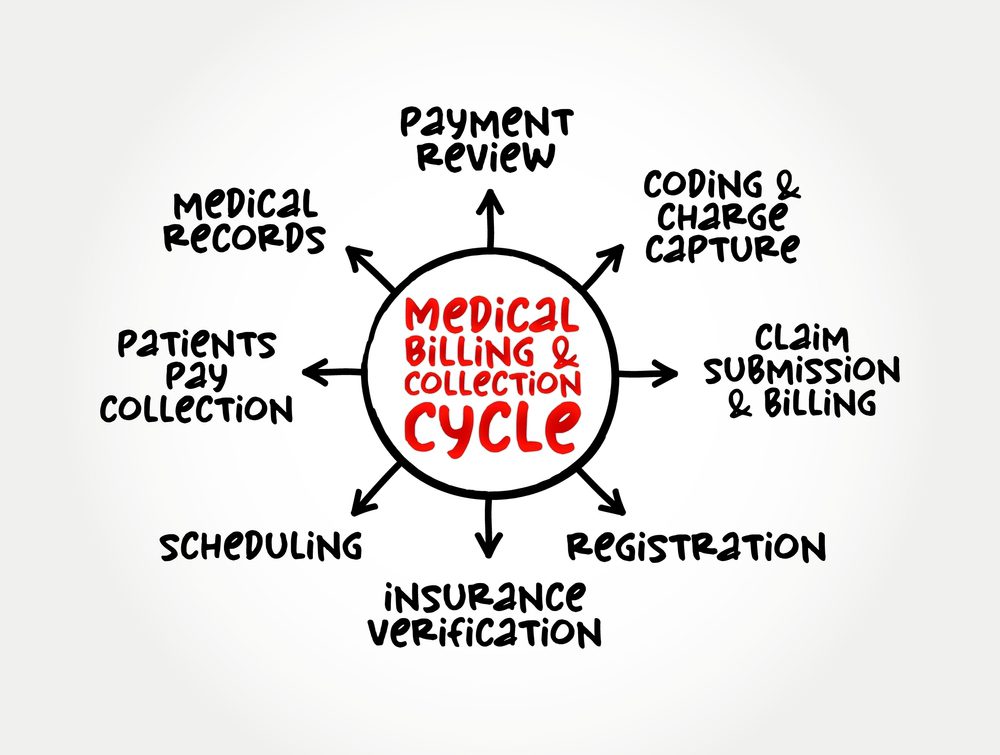
Medical billing is a critical part of the healthcare system that ensures providers are paid accurately and on time for the services they deliver. Whether you’re managing a small clinic or a large hospital, an efficient billing system directly affects your financial performance.
In today’s competitive healthcare environment, especially in Australia and global markets, understanding medical billing is essential for maintaining consistent cash flow and reducing administrative stress.
What is Medical Billing?
Medical billing is the process of submitting and following up on claims with insurance companies to receive payment for healthcare services provided to patients. It acts as a communication bridge between providers, patients, and insurers.
A properly managed billing system not only ensures accurate payments but also minimizes delays, improves transparency, and enhances overall operational efficiency in healthcare organizations.
How Does the Medical Billing Process Work?

The medical billing process consists of several structured steps that ensure healthcare providers receive proper reimbursement. Each stage plays an important role in reducing errors and improving efficiency.
1. Patient Registration
This is the first step where patient details, insurance information, and medical history are collected accurately to avoid future billing issues.
2. Insurance Verification
The provider verifies whether the patient’s insurance is active and what services are covered under their policy.
3. Medical Coding
Medical procedures and diagnoses are converted into standardized codes such as ICD and CPT, which are essential for claim processing.
4. Claim Submission
After coding, claims are prepared and submitted to insurance companies for reimbursement.
5. Claim Adjudication
Insurance companies review the claims to determine the payable amount based on coverage policies.
6. Payment Posting
Once approved, payments are recorded in the system, ensuring accurate financial tracking.
7. Denial Management
If claims are rejected, they are reviewed, corrected, and resubmitted to avoid revenue loss.
8. Patient Billing
Any remaining balance is billed directly to the patient with clear and transparent invoices.
Why Medical Billing is Important for Healthcare Providers

Medical billing plays a vital role in maintaining the financial health of any healthcare organization. Without a proper system, even high-quality medical services may not generate expected revenue.
Efficient billing ensures faster payments, reduces administrative burden, and allows healthcare professionals to focus more on patient care rather than paperwork.
Common Challenges in Medical Billing
Many healthcare providers face ongoing issues in managing billing operations effectively. These challenges can impact both revenue and workflow if not handled properly.
Some of the most common problems include claim denials, coding errors, delayed reimbursements, compliance risks, and lack of trained staff. Addressing these challenges requires expertise and a well-structured billing system.
Why Outsource Medical Billing Services?

Outsourcing medical billing has become a strategic solution for healthcare providers looking to improve efficiency and reduce operational costs. It allows access to experienced professionals who specialize in billing and compliance.
By outsourcing, providers can improve accuracy, speed up claim processing, and focus more on delivering quality patient care instead of managing complex billing tasks.
Medical Billing in Australia: What You Need to Know 🇦🇺
Healthcare providers in Australia must follow strict billing regulations, including Medicare requirements and private insurance policies. Compliance is essential to avoid legal and financial complications.
Additionally, data security and patient confidentiality are critical factors, making it important to use reliable and secure billing solutions that meet Australian standards.
How to Choose the Right Medical Billing Service Provider

Choosing the right billing partner is crucial for long-term success. A reliable provider should have strong industry experience, advanced technology, and a clear understanding of compliance requirements.
It is also important to look for transparency, reporting capabilities, and responsive customer support to ensure smooth communication and performance tracking.
Future of Medical Billing (2026 and Beyond)

The future of medical billing is rapidly evolving with the integration of advanced technologies such as artificial intelligence and cloud-based systems. These innovations are helping improve accuracy and efficiency.
Healthcare providers who adopt modern billing solutions can gain better insights, reduce errors, and stay competitive in an increasingly digital healthcare environment.
Final Thoughts
Medical billing is more than just an administrative task—it is a core function that determines the financial success of healthcare providers. A well-managed billing system ensures smooth operations and consistent revenue flow.
By investing in professional medical billing services, especially in competitive markets like Australia, healthcare providers can enhance performance, reduce stress, and deliver better patient experiences.
FAQ
What is medical billing in simple terms?
Medical billing is the process of submitting claims to insurance companies to receive payment for healthcare services.
Why is medical billing important?
It ensures accurate and timely payments for healthcare providers.
Is outsourcing medical billing worth it?
Yes, it improves efficiency, reduces errors, and saves time.
How does medical billing work in Australia?
It involves Medicare compliance, insurance claims, and strict data privacy regulations.
Comments are closed