

Accurate medical documentation plays a vital role in delivering safe, efficient, and high-quality healthcare. Every consultation, diagnosis, treatment plan, referral, and follow-up relies on detailed clinical records that healthcare professionals can trust. Even a minor documentation error can affect communication, delay treatment, or compromise the continuity of care.
As healthcare environments become increasingly digital, the demand for accurate medical documentation continues to grow. Healthcare providers depend on reliable records to make informed clinical decisions, improve collaboration, maintain compliance, and deliver positive patient outcomes. Whether documentation is created through professional medical transcription or digital systems, maintaining accuracy is essential for both patient safety and organisational efficiency.
In this article, we explore why accurate medical documentation matters, how it supports better patient care, and the best practices healthcare organisations can implement to improve documentation quality.
What Is Medical Documentation?
Medical documentation refers to the process of recording clinical information relating to a patient’s health, diagnosis, treatment, medications, procedures, and ongoing care. These records provide a comprehensive history that supports healthcare professionals throughout every stage of the patient’s journey.
Medical documentation includes various types of records, such as:
- Clinical consultation notes
- Patient histories
- Diagnostic reports
- Radiology reports
- Referral letters
- Discharge summaries
- Operative reports
- Progress notes
Every document contributes to a patient’s overall healthcare record. When documentation is accurate, complete, and up to date, healthcare professionals can deliver more informed and effective care.
Why Accurate Medical Documentation Matters
Accurate documentation is much more than administrative record-keeping. It forms the foundation of effective healthcare delivery by ensuring that every healthcare professional involved has access to reliable and consistent patient information.
High-quality documentation improves communication, supports clinical decision-making, reduces unnecessary delays, and helps maintain continuity throughout the patient’s treatment journey.
Better Clinical Decision-Making

Healthcare professionals make important clinical decisions based on the information available in patient records. If documentation is incomplete, inaccurate, or outdated, the quality of those decisions may be affected.
Accurate documentation provides clinicians with clear information about previous diagnoses, medications, allergies, laboratory results, imaging reports, and treatment plans. This enables healthcare professionals to evaluate a patient’s condition more effectively and make informed decisions without unnecessary delays.
When complete information is readily available, the risk of duplicate testing and conflicting treatment plans is also significantly reduced.
Improved Patient Safety

Patient safety depends heavily on accurate communication between healthcare professionals. Medical documentation serves as the primary source of information whenever care is transferred between clinicians, departments, or healthcare facilities.
Clear documentation helps prevent:
- Medication errors
- Incorrect treatment decisions
- Missed allergies
- Delayed diagnoses
- Communication misunderstandings
Accurate records ensure every member of the healthcare team has access to the same information, allowing them to provide safe and coordinated care.
Enhanced Communication Across Healthcare Teams
Healthcare delivery often involves collaboration between multiple professionals, including specialists, nurses, allied health providers, and administrative staff. Accurate documentation allows every team member to understand the patient’s history and current treatment plan.
Consistent clinical records reduce confusion, improve communication, and ensure that each healthcare professional can contribute effectively to patient care without relying on incomplete or verbal information.
Strong documentation also supports smoother referrals and transitions between healthcare providers, helping maintain continuity throughout the patient’s treatment journey.
Reducing Documentation Errors
Documentation errors can occur for many reasons, including time pressures, unclear dictation, incomplete notes, or manual data entry mistakes. While some errors may seem minor, they can create significant challenges in clinical practice.
Common documentation errors include:
- Missing patient information
- Incorrect medication details
- Typographical mistakes
- Misinterpreted clinical terminology
- Duplicate records
- Incomplete consultation notes
Implementing structured documentation processes and professional medical transcription services helps minimise these risks and improves the overall quality of healthcare records.
The Role of Medical Transcription in Documentation Accuracy
Medical transcription remains an essential component of healthcare documentation. Professional transcriptionists convert dictated clinical recordings into clear, structured, and accurate written records while maintaining strict quality standards.
Unlike automated speech recognition systems, experienced medical transcription professionals understand medical terminology, clinical context, and documentation requirements. This additional level of expertise helps identify inconsistencies, improve readability, and ensure documentation reflects the clinician’s intended meaning.
Professional medical transcription also allows healthcare providers to spend more time focusing on patient care rather than administrative tasks.
Common Causes of Documentation Errors
Even the most experienced healthcare professionals can encounter documentation challenges, particularly in fast-paced clinical environments. Understanding the common causes of documentation errors is the first step towards improving record accuracy and ensuring high standards of patient care.
Some of the most common causes include:
Time Constraints
Healthcare professionals often manage a high volume of patients while balancing clinical responsibilities and administrative tasks. Limited time may result in incomplete notes, omitted details, or delayed documentation, increasing the likelihood of inaccuracies.
Complex Medical Terminology
Medical documentation frequently includes specialised terminology, abbreviations, and medication names. Without appropriate expertise, these details can easily be misunderstood or recorded incorrectly.
Voice Recognition Limitations
Although speech recognition technology has advanced considerably, it can still misinterpret accents, pronunciation, background noise, or complex medical language. These errors often require careful review before documentation can be considered accurate.
Manual Data Entry
Entering information manually increases the possibility of typographical mistakes, duplicated records, or missing information. Small errors can accumulate over time and affect the reliability of patient records.
Communication Gaps
Healthcare often involves multiple clinicians and departments working together. If documentation is unclear or incomplete, important information may not be communicated effectively between healthcare professionals.
Benefits of Accurate Medical Documentation
Accurate documentation delivers benefits that extend beyond clinical record keeping. It contributes to improved patient outcomes, streamlined workflows, and more effective communication across healthcare organisations.
Improved Continuity of Care

Patients often receive care from multiple healthcare professionals throughout their treatment journey. Comprehensive documentation ensures every clinician has access to consistent and up-to-date information, allowing treatment plans to continue seamlessly without unnecessary repetition or confusion.
Accurate records also help reduce the risk of information being overlooked during referrals or transitions between departments.
More Efficient Administrative Processes
Administrative teams rely on accurate documentation for appointment management, referrals, reporting, correspondence, and healthcare administration.
Well-structured documentation reduces administrative delays, minimises corrections, and improves overall workflow efficiency. Healthcare professionals can spend less time managing paperwork and more time focusing on patient care.
Better Communication Between Healthcare Professionals

Clear documentation enables healthcare professionals to communicate effectively regardless of when or where patient care is delivered.
Whether reviewing consultation notes, imaging reports, or referral letters, clinicians benefit from documentation that is organised, complete, and easy to understand. Improved communication ultimately supports safer and more coordinated patient care.
Increased Patient Confidence
Patients expect healthcare professionals to maintain accurate records that reflect their medical history, treatment plans, and ongoing care.
When documentation is thorough and reliable, patients gain confidence that their healthcare providers have the information required to make informed decisions. This trust strengthens relationships between patients and healthcare professionals while improving the overall healthcare experience.
Best Practices for Maintaining Accurate Medical Documentation
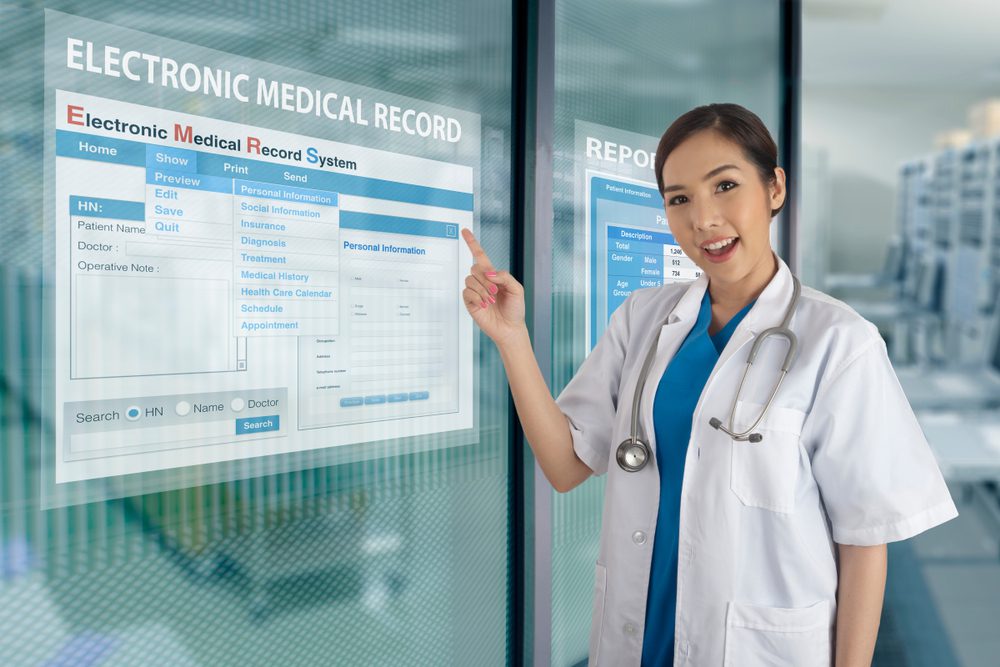
Maintaining high-quality documentation requires consistent processes, attention to detail, and the right combination of technology and professional expertise.
Healthcare organisations can improve documentation quality by following several best practices.
Document Information Promptly
Recording clinical information as soon as possible after patient consultations helps ensure important details are not forgotten. Timely documentation also reduces reliance on memory and improves record accuracy.
Use Standardised Documentation Processes
Consistent documentation formats make clinical records easier to read and interpret across different healthcare professionals. Standardised templates also help ensure essential information is captured during every patient interaction.
Review Documentation Before Finalisation
Every clinical document should be reviewed carefully before being added to a patient’s record. Proofreading helps identify spelling mistakes, missing information, formatting inconsistencies, or transcription errors that could otherwise affect patient care.
Maintain Secure Documentation Workflows
Healthcare documentation often contains highly sensitive patient information. Secure documentation processes help protect confidentiality while supporting compliance with applicable privacy and information management requirements.
Work with Professional Medical Transcription Services
Professional transcription specialists provide an additional level of quality assurance by producing accurate, structured, and carefully reviewed clinical documentation. Their expertise reduces documentation errors while allowing healthcare professionals to concentrate on delivering patient care.
Why Professional Medical Transcription Makes a Difference
Medical transcription continues to play an important role in maintaining documentation quality across healthcare organisations.
Professional transcriptionists possess specialised knowledge of medical terminology, clinical language, and documentation standards. Rather than simply converting speech into text, they interpret context, recognise inconsistencies, and produce clear, accurate clinical documents.
This level of expertise supports improved communication between healthcare professionals while reducing the administrative burden placed on clinicians.
Professional medical transcription services also provide:
- Greater documentation accuracy
- Consistent formatting
- Faster document turnaround
- Improved workflow efficiency
- Enhanced quality assurance
- Better readability of clinical records
For many healthcare organisations, partnering with experienced medical transcription providers represents an effective way to improve documentation quality while increasing operational efficiency.
The Future of Medical Documentation
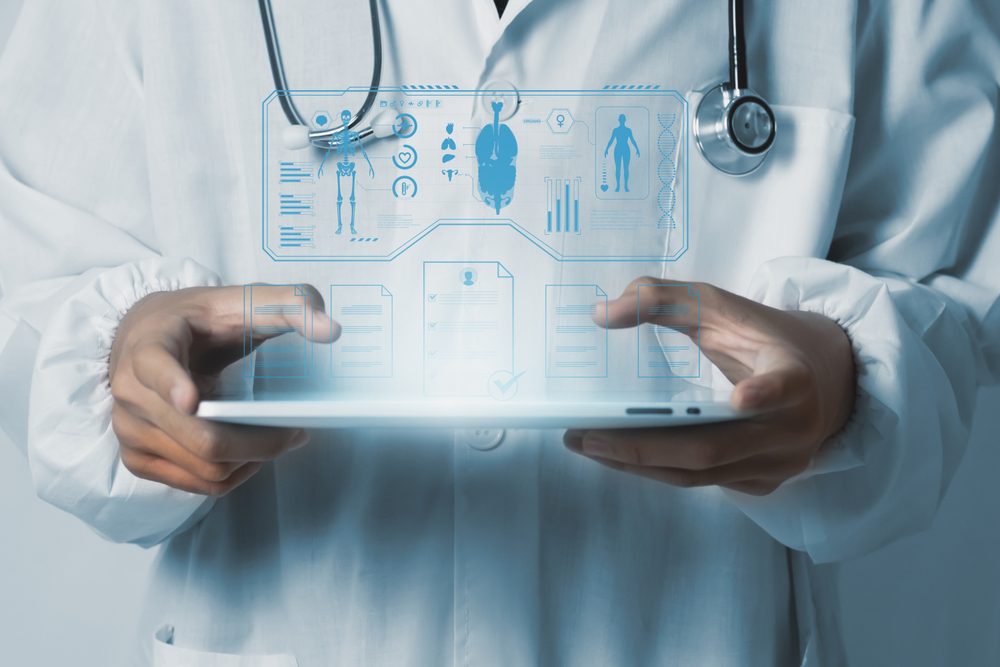
Healthcare documentation continues to evolve alongside advancements in digital technology. Electronic health records, speech recognition software, artificial intelligence, and cloud-based healthcare systems are transforming how clinical information is recorded, stored, and accessed.
While these technologies improve efficiency and streamline administrative workflows, they also reinforce the importance of maintaining documentation accuracy. Automated tools can assist healthcare professionals by reducing repetitive tasks and speeding up documentation processes, but they should not replace professional oversight.
Many healthcare organisations are adopting a hybrid approach that combines advanced technology with experienced medical transcription professionals. In this model, AI can generate an initial draft while trained transcriptionists review, edit, and verify the document before it becomes part of the patient’s medical record.
This balanced approach offers the best of both worlds—greater efficiency without compromising accuracy, quality, or patient safety.
As healthcare technology continues to advance, organisations that invest in accurate, secure, and well-managed documentation processes will be better positioned to deliver efficient, high-quality patient care.
How Med IT Solution Supports Accurate Medical Documentation

Accurate documentation requires more than technology alone. It requires experienced professionals who understand clinical terminology, documentation standards, and the importance of delivering reliable healthcare records.
At Med IT Solution, we provide professional medical transcription and healthcare documentation services designed to help healthcare providers improve efficiency while maintaining high standards of accuracy and confidentiality.
Our solutions support healthcare organisations by:
- Producing accurate and professionally formatted clinical documentation.
- Reducing administrative workload for healthcare professionals.
- Improving documentation consistency.
- Supporting faster turnaround times.
- Helping maintain secure documentation workflows.
- Delivering dependable transcription services tailored to healthcare environments.
By partnering with experienced professionals, healthcare providers can focus more on patient care while ensuring their clinical documentation remains accurate, complete, and reliable.
Final Thoughts
Accurate medical documentation is one of the most important foundations of quality healthcare. Every consultation, diagnosis, treatment decision, and follow-up relies on clear, consistent, and reliable clinical records.
When documentation is accurate, healthcare professionals can communicate more effectively, make informed clinical decisions, reduce the risk of errors, and provide safer, more coordinated patient care.
As healthcare continues to evolve, maintaining documentation quality will remain essential. Combining professional medical transcription services with modern digital technologies enables healthcare organisations to improve efficiency without compromising the accuracy that patient care depends upon.
Investing in accurate documentation is ultimately an investment in better healthcare outcomes, stronger communication, and improved operational performance.
If your organisation is looking to improve documentation accuracy while reducing administrative workload, Med IT Solution offers professional medical transcription services designed to support efficient, reliable, and secure healthcare documentation.
Frequently Asked Questions (FAQs)
Why is accurate medical documentation important?
Accurate medical documentation ensures healthcare professionals have reliable information for clinical decision-making, improving communication, reducing errors, and supporting high-quality patient care.
How does medical transcription improve documentation quality?
Professional medical transcription converts dictated clinical information into clear, structured, and accurate documents while helping reduce errors and improving consistency.
What are common causes of documentation errors?
Common causes include time constraints, manual data entry mistakes, unclear dictation, complex medical terminology, communication gaps, and incomplete clinical notes.
How can healthcare organisations improve documentation accuracy?
Healthcare organisations can improve documentation by implementing standardised processes, reviewing records carefully, using secure documentation systems, and partnering with professional medical transcription providers.
Can AI replace professional medical transcription?
AI can assist with documentation by improving efficiency, but human expertise remains essential for reviewing clinical context, correcting errors, and ensuring high-quality healthcare documentation.
Comments are closed