
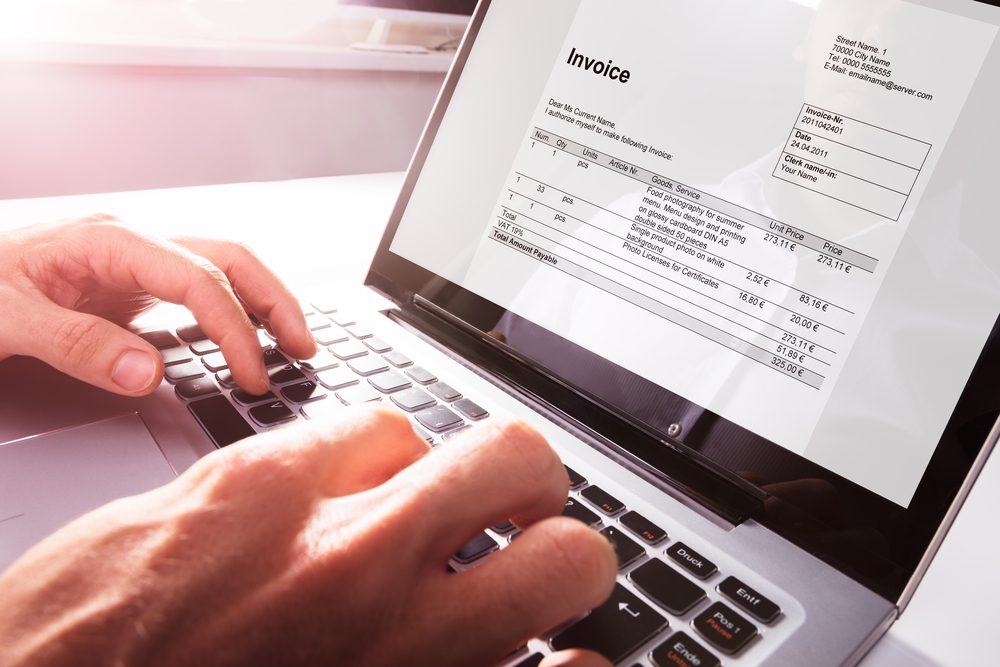
Medical billing errors are one of the biggest challenges healthcare providers face today. These mistakes can lead to claim denials, delayed payments, and significant revenue loss if not handled properly.
Whether you’re managing billing in-house or using medical billing services, identifying and fixing these errors is essential for maintaining a healthy revenue cycle—especially for providers in Australia and global healthcare systems.
Why Medical Billing Errors Matter
Medical billing is not just about submitting claims—it directly impacts your financial stability and operational efficiency. Even small mistakes can cause major disruptions in cash flow and patient satisfaction.
Errors in billing can also lead to compliance issues, making it crucial for healthcare providers to maintain accuracy and follow proper procedures at every step.
Top 10 Common Medical Billing Errors
Incorrect Patient Information

Entering incorrect patient details such as name, date of birth, or insurance ID can result in immediate claim rejection. This is one of the most common yet avoidable errors in medical billing.
Coding Errors
Medical coding mistakes, such as incorrect ICD or CPT codes, can lead to denied or underpaid claims. Accurate coding is essential for proper reimbursement and compliance.
What is Medical Billing?
Duplicate Billing
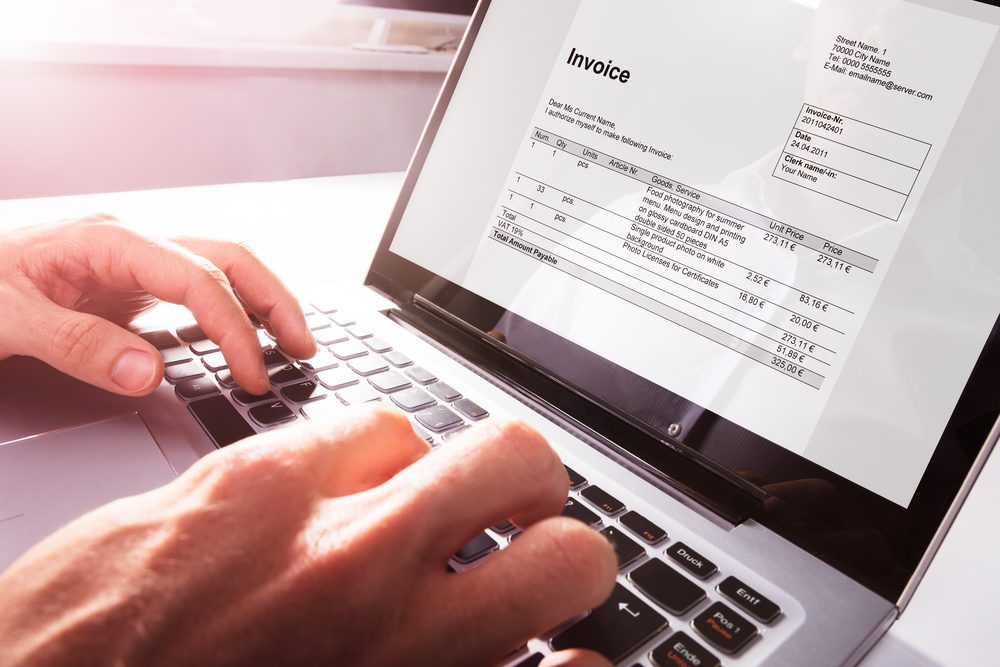
Submitting the same claim multiple times can trigger red flags with insurance companies and delay payments unnecessarily.
Missing Information
Incomplete claims lacking essential details can result in delays or outright rejection. Every field must be properly filled before submission.
Late Claim Submission

Each insurance provider has strict deadlines. Missing these deadlines can result in lost revenue opportunities.
Insurance Verification Errors
Failing to verify patient insurance eligibility before treatment can lead to claims being denied later. This step is critical for smooth billing operations.
Lack of Documentation

Proper documentation is necessary to support claims. Missing or unclear records can lead to compliance issues and payment delays.
Ignoring Claim Denials
Many providers fail to follow up on denied claims. Ignoring them results in lost revenue that could have been recovered.
Medical Transcription Outsourcing
Upcoding or Downcoding

Incorrectly increasing or decreasing service codes can lead to legal issues and financial penalties.
Poor Billing System Management
Using outdated or inefficient billing systems can increase errors and reduce overall efficiency in the billing process.
How to Avoid Medical Billing Errors

Preventing medical billing errors requires a combination of proper training, technology, and process improvement. Healthcare providers should invest in staff training and use reliable billing systems.
Outsourcing to professional billing services can also significantly reduce errors and improve claim success rates.
Medical Billing Accuracy in Australia 🇦🇺
Healthcare providers in Australia must follow strict billing guidelines, including Medicare compliance and private insurance policies. Even minor errors can result in serious financial and legal consequences.
Maintaining accuracy and compliance is essential, making it important to adopt best practices or partner with experienced billing professionals.
Final Thoughts
Medical billing errors can cost healthcare providers time, money, and reputation. However, with the right strategies and systems in place, these mistakes can be minimized effectively.
By improving billing accuracy and leveraging expert solutions, providers can enhance revenue, reduce stress, and focus more on delivering quality patient care.
FAQ SECTION
What are medical billing errors?
They are mistakes in billing processes that lead to claim denials or payment delays.
How can medical billing errors be reduced?
By improving accuracy, training staff, and using professional billing services.
Why do claims get denied?
Due to incorrect information, coding errors, or missing documentation.
Are billing errors common in healthcare?
Yes, they are very common but can be reduced with proper systems.
Comments are closed